
Get Tree Canopy Thinning in Charlotte County, FL
Tree Canopy Thinning services help Charlotte County property owners improve sunlight, reduce storm damage risk, and enhance landscape appearance through professional pruning and thinning.
Tree canopy thinning services are often considered by property owners in Charlotte County, FL to improve the overall health and longevity of their trees. By selectively reducing the density of branches and foliage, these services can help ensure better air circulation and sunlight penetration, which promotes stronger growth and reduces the risk of disease or pest issues. This careful pruning can also help prevent branches from becoming overgrown or weak, minimizing the chance of damage during storms and enhancing the safety of the property.
In addition to health and safety benefits, tree canopy thinning can significantly enhance a property’s curb appeal and functionality. Thinning out dense canopies allows more natural light to reach outdoor living spaces, making patios and yards more comfortable and usable. It also contributes to a cleaner, more polished appearance, boosting the overall attractiveness of the landscape. Property owners often seek these services to reduce ongoing maintenance needs and improve the durability of their trees, ensuring they remain healthy and visually appealing for years to come.
- Tree Canopy Thinning Services - needed when overgrown or dense canopies obstruct sunlight or airflow in residential or commercial landscapes.
- Tree Canopy Thinning Services - appropriate for properties experiencing storm damage or disease that requires selective removal of branches.
- Tree Canopy Thinning Services - useful in urban areas like Charlotte County to reduce wind resistance and minimize the risk of falling branches.
- Tree Canopy Thinning Services - recommended for improving visibility and access around utility lines or structures in densely treed areas.
- Tree Canopy Thinning Services - suitable for preparing trees for seasonal storms or to promote healthier growth and development.
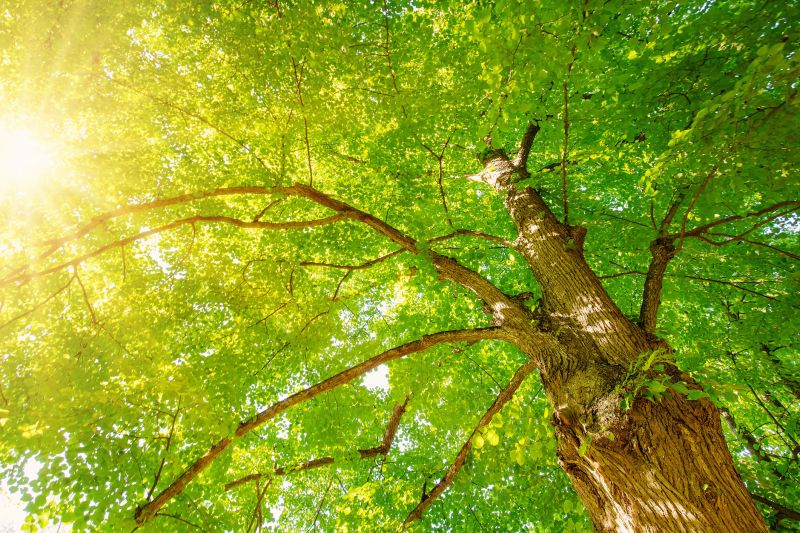
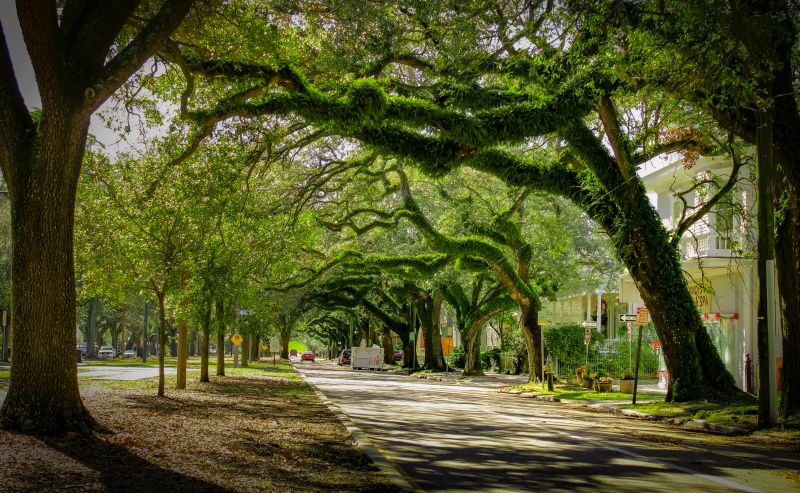
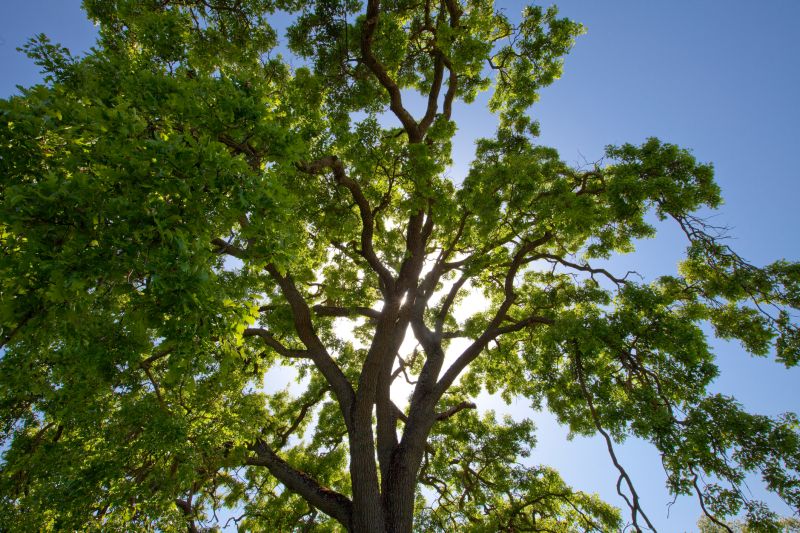
Tree canopy thinning services involve selectively reducing the density and size of tree branches and foliage to improve overall tree health, safety, and aesthetics. The process typically includes removing specific limbs or sections of the canopy to allow more light to reach the ground and to reduce weight and wind resistance. This targeted pruning helps maintain the natural shape of the tree while ensuring that overgrown or congested canopies do not pose risks to nearby structures, power lines, or pedestrians. Proper canopy thinning can also promote better air circulation within the tree, which may decrease the likelihood of disease and pest infestations.
One of the primary issues that canopy thinning addresses is the risk of falling branches or entire trees during storms or high winds. Overgrown or densely packed canopies can become heavy and unstable, increasing the chance of limbs breaking off unexpectedly. Additionally, trees with thick canopies can obstruct visibility and create hazards in residential or commercial areas. Thinning can also be beneficial in preventing damage to roofs, gutters, and power lines by reducing the weight and reach of the branches. Property owners seeking to mitigate these risks often turn to professional service providers for expert assessment and careful pruning.
Tree canopy thinning services are commonly utilized on residential properties, commercial landscapes, and public parks. In neighborhoods where trees are close to homes or streets, thinning can help improve safety and visibility while maintaining the aesthetic appeal of the landscape. Commercial properties, especially those with large, mature trees, may use canopy thinning to prevent damage to infrastructure and to ensure that trees do not interfere with utility lines or signage. Public parks and municipal spaces also benefit from regular canopy management to preserve the health of the trees and ensure the safety of visitors and passersby.
Professionals offering tree canopy thinning services typically evaluate the specific needs of each tree, considering factors such as species, age, and overall health. They employ careful pruning techniques to remove excess foliage without harming the tree’s structure or vitality. By working with experienced arborists or tree care specialists, property owners can ensure that canopy thinning is performed effectively and safely. Contacting local tree care providers can help identify the appropriate services needed to maintain healthy, safe, and attractive landscapes.
The overview below groups typical Tree Canopy Thinning projects into broad ranges so you can see how smaller, mid-sized, and larger jobs often compare in Charlotte County, FL.
In many markets, a large share of routine jobs stays in the lower and middle ranges, while only a smaller percentage of projects moves into the highest bands when the work is more complex or site conditions are harder than average.
Per-Tree Thinning Cost - Typically ranges from $50 to $150 per tree, depending on size and complexity. Larger or more mature trees may cost more to thin effectively.
Hourly Service Rates - Tree canopy thinning services often charge between $75 and $150 per hour. Total costs depend on the number of trees and the extent of thinning required.
Bulk Tree Thinning Packages - Package prices for multiple trees can range from $300 to $1,200 for comprehensive thinning. Discounts may be available for larger projects with many trees.
Additional Service Fees - Extra costs may include debris removal or stump grinding, which can add $50 to $200 per service. These fees vary based on the scope of work and local contractor rates.
Actual totals will depend on details like access to the work area, the scope of the project, and the materials selected, so use these as general starting points rather than exact figures.
Tree Canopy Thinning services involve reducing the density of tree foliage to improve air circulation and sunlight penetration, supporting healthier growth. Local professionals can assess canopy conditions and perform thinning to enhance landscape aesthetics and tree health.
Urban Tree Management includes canopy thinning as a method to reduce the risk of storm damage and limb failure in urban areas. Service providers can help manage overgrown canopies to maintain safety and visibility.
Storm Damage Prevention specialists utilize canopy thinning techniques to decrease wind resistance in trees, minimizing potential damage during severe weather events. Contact local experts for assessments and thinning services.
Tree Health Optimization involves canopy thinning to alleviate stress on trees caused by overcrowding, promoting better nutrient flow and growth. Local arborists can provide tailored thinning solutions for individual trees.
Landscape Enhancement services may include canopy thinning to improve the overall appearance of trees and integrate them better into the surrounding environment. Professionals can advise on aesthetic and functional thinning practices.
Risk Reduction Services focus on decreasing hazards posed by densely foliaged trees, with thinning reducing the likelihood of falling branches or limbs. Local specialists can evaluate and perform necessary canopy thinning work.
When selecting a professional for tree canopy thinning services, it is important to consider their experience in managing similar projects. Homeowners should look for local providers who can demonstrate a history of successful tree thinning work within the community, as this often reflects familiarity with local tree species and environmental conditions. Reputable contractors typically have a track record of completed jobs and can provide references from previous clients, offering insights into their workmanship and professionalism.
Clear communication and well-defined written expectations are key factors in ensuring a smooth project process. Pros who provide detailed proposals and openly discuss the scope of work, potential outcomes, and any necessary follow-up help set realistic expectations. Homeowners are encouraged to seek providers who are transparent about their methods and willing to answer questions, fostering a collaborative approach to achieve the desired results.
Reputation within the local area can be a strong indicator of a contractor’s reliability and quality of service. Homeowners should consider seeking recommendations from neighbors or reading reviews to gauge the experiences of others. Establishing contact with multiple providers allows for comparison of their communication styles and professionalism, helping to identify those who prioritize client needs and maintain open, responsive dialogue throughout the project.
Property owners in Charlotte County, FL use Tree Canopy Thinning services for practical projects around their homes and businesses. The sections below highlight everyday jobs and straightforward project options.
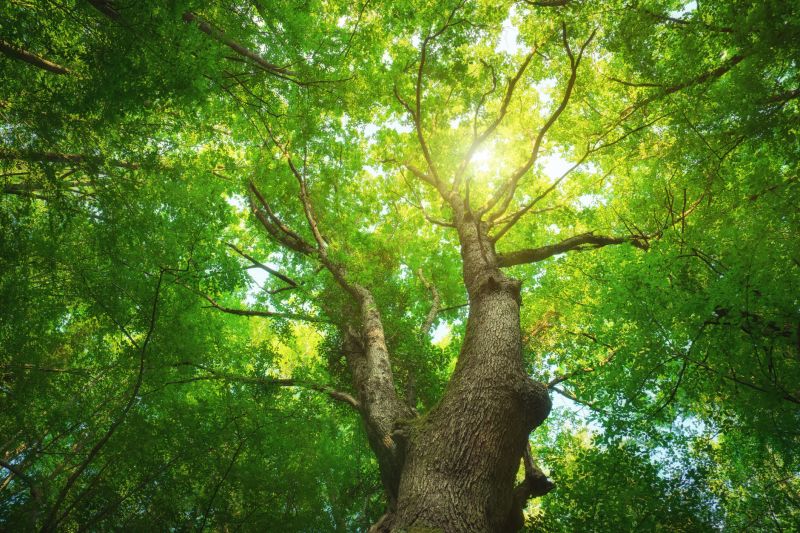
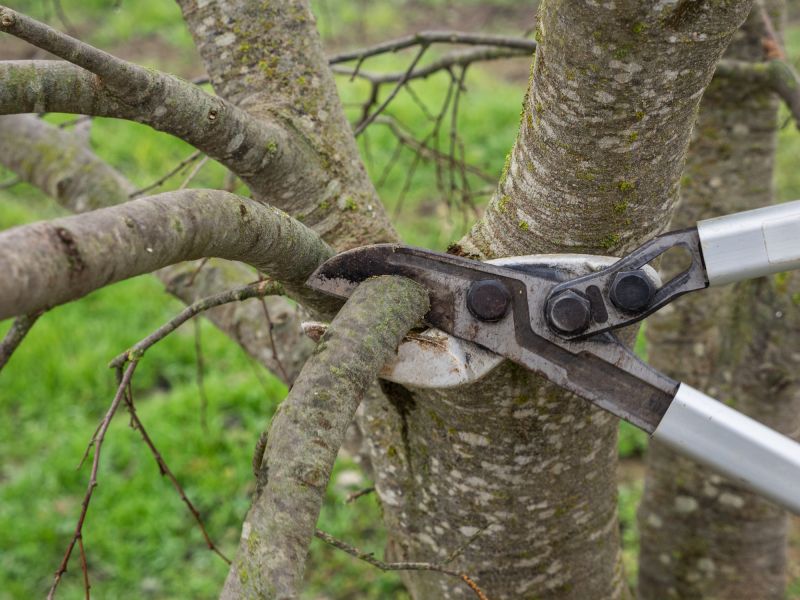
Tree canopy thinning services are often sought by property owners in Charlotte County, FL who notice overgrown or densely packed branches that block sunlight or hinder airflow. Removing excess limbs can help improve the health of remaining trees, reduce the risk of falling branches during storms, and prevent potential damage to nearby structures or power lines. Local service providers can assist with safely and effectively thinning the canopy, ensuring trees maintain their natural shape while minimizing hazards.
Homeowners may also consider canopy thinning when trees are encroaching on outdoor living spaces, driveways, or walkways, making them difficult to access or enjoy. Additionally, thinning can enhance the overall appearance of a property by creating a more balanced and aesthetically pleasing landscape. Local tree care specialists can evaluate individual trees and recommend appropriate thinning techniques to meet specific needs and maintain the safety and beauty of the property.
What is tree canopy thinning? Tree canopy thinning involves selectively removing branches to reduce the density of a tree's foliage, which can improve air circulation and light penetration.
Why consider tree canopy thinning? Thinning can help maintain tree health, prevent storm damage, and reduce the risk of falling branches in residential or commercial areas.
How do professionals determine which branches to remove? Local service providers assess the tree's structure, health, and growth pattern to identify branches that can be safely pruned without harming the tree.
Is tree canopy thinning suitable for all tree types? Not all trees require thinning; a professional can evaluate whether thinning is appropriate based on the species and condition of the tree.
How often should tree canopy thinning be performed? The frequency depends on the tree's growth rate and health, but typically, thinning is done every few years as recommended by local arborists or tree care specialists.
Tree Canopy Thinning Benefits - Thinning tree canopies can improve air circulation and reduce wind resistance, promoting healthier growth. Local service providers can assess and recommend appropriate thinning strategies.
Professional Tree Canopy Thinning - Skilled arborists and tree care specialists offer canopy thinning services to maintain tree health and safety. Contact local experts to explore options for your property.
Tree Canopy Thinning Techniques - Various methods of canopy thinning are available to suit different tree types and landscape needs. Local pros can determine the best approach for your trees.
Scheduling Tree Canopy Thinning - Planning regular canopy thinning can support long-term tree health and landscape aesthetics. Reach out to local providers to discuss scheduling options.
Considering Tree Canopy Thinning for a property in Charlotte County, FL? The sections above highlight common project types, practical options, and details that often shape the scope of work.
When you are ready, use the quote form to share a few details about your project. Local pros can review the basics and respond with options that match what you have in mind.